Local guide · Zanzibar
Night Lagoon Walk in Zanzibar: Exploring the Ocean Bed at Low Tide
Written from Wise Yasir’s local perspective in Zanzibar. Details affected by weather, tides, schedules or availability should be reconfirmed before travel.
The short answer
Quick answer
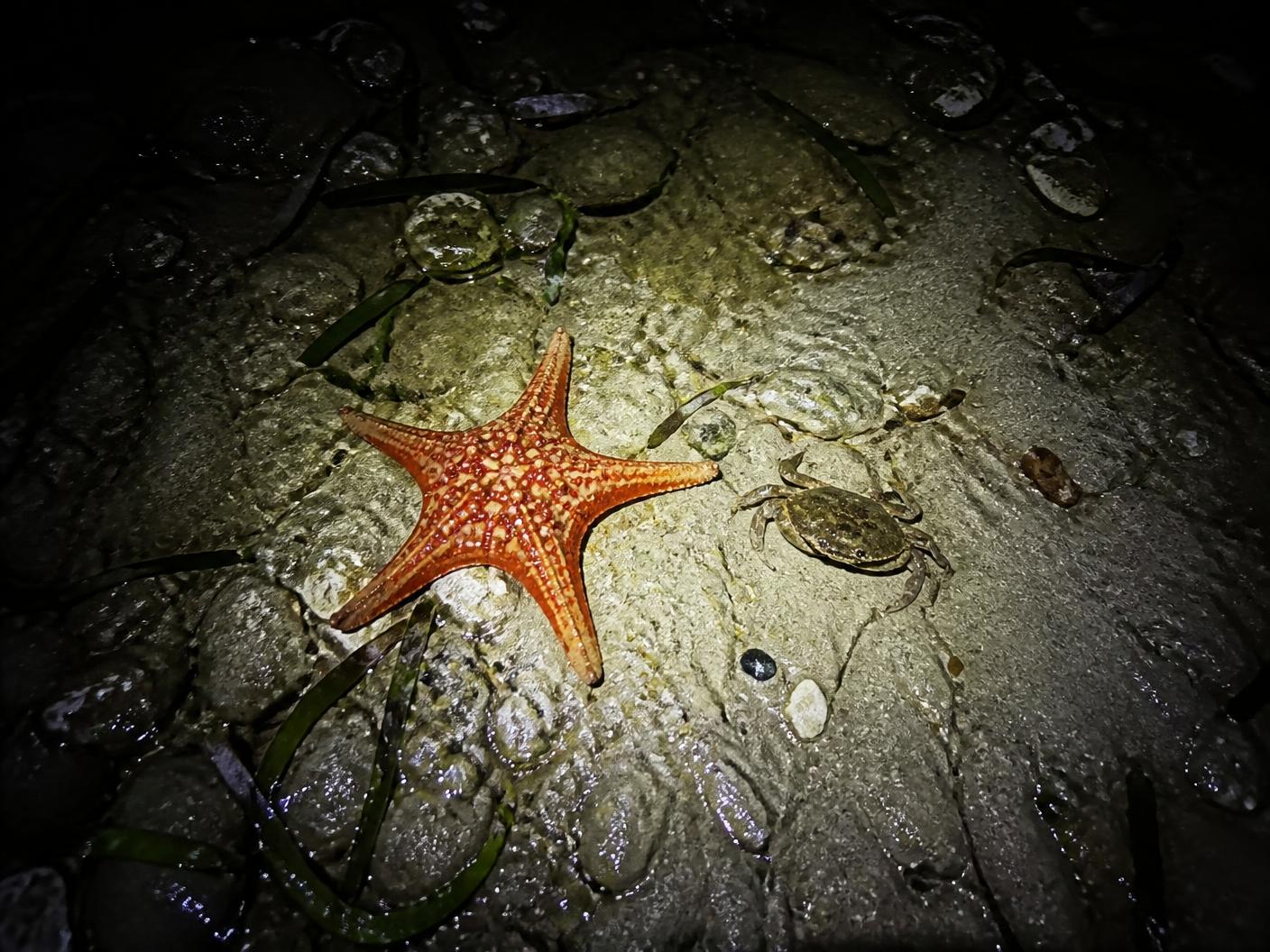
On evenings when the low tide falls after dark, the sea on Zanzibar’s east coast withdraws for kilometres and exposes the reef flat. Walking it with torches reveals crabs, sea stars, sea urchins and sea cucumbers. It only runs on certain nights each month, and it is one of the best experiences on the island for children.
01
What is the night lagoon walk?
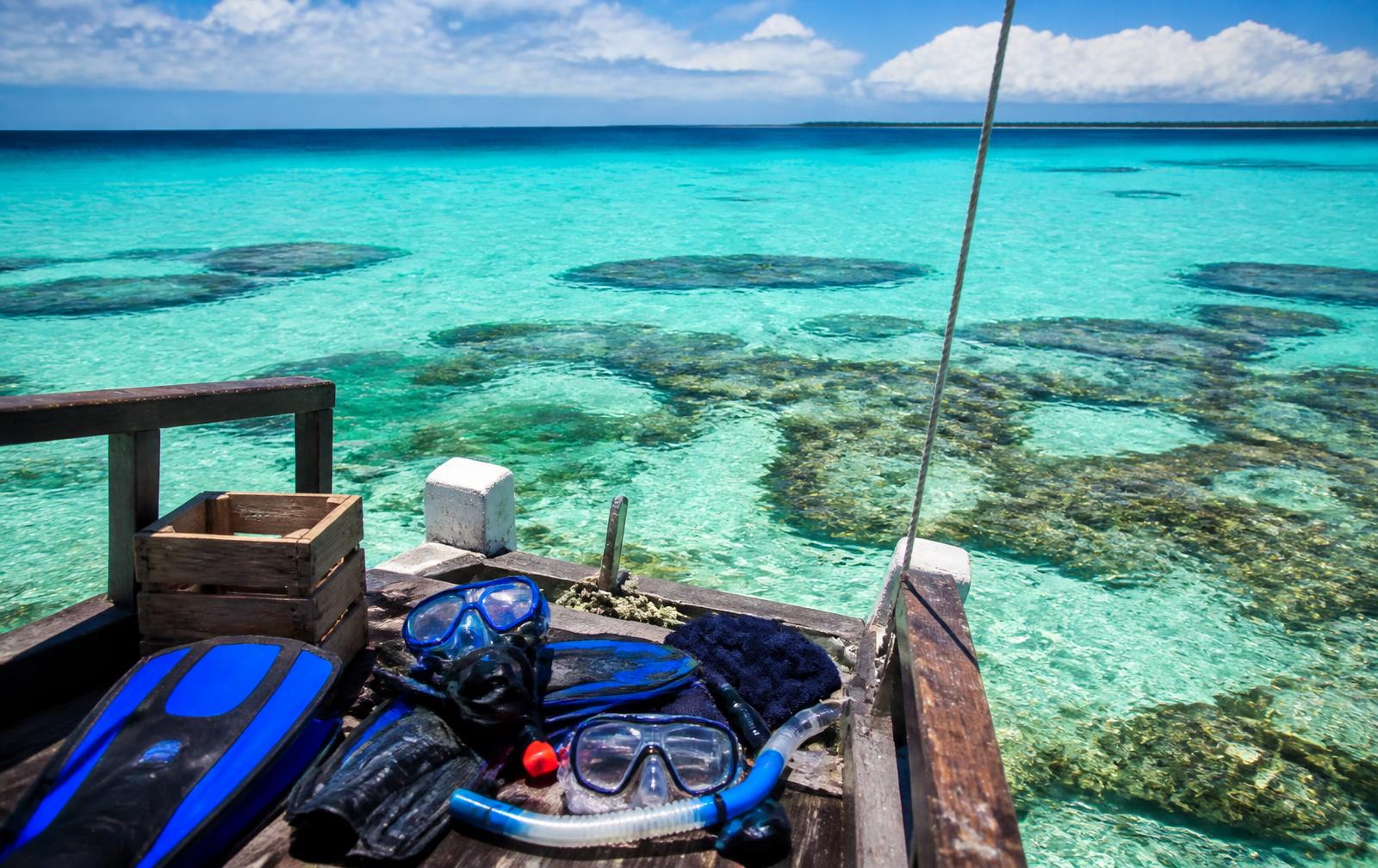
Zanzibar’s east and south-east coasts have an unusually wide tidal range. At low tide the water pulls back far beyond the beach and uncovers a shallow reef flat of seagrass, coral rubble, sand channels and warm pools. During the day this is a familiar sight at Jambiani and Paje. At night it becomes something else entirely.
With a torch, the flat turns into a dark landscape where every pool holds something moving. You walk slowly, stop often, and look. There is no swimming, no boat and no equipment beyond shoes and a light.
02
When can you do it?
Only on evenings when the low tide falls after sunset, which depends on the lunar cycle rather than the season. Spring tides around the new moon and full moon draw the water out furthest and give the longest window. Those dates shift through the month, so the walk cannot be booked for a fixed weekday.
The practical approach is to send your travel dates first and have a local guide check the tide table against them.
03
What do you see on the ocean bed?
The reef flat is busy at night. Marine life moves freely and conditions change, so nothing is guaranteed on a given evening, but these are the common encounters:
- Hermit crabs and swimming crabs crossing the open sand
- Sea stars, often orange or blue, resting in shallow pools
- Spiny sea urchins wedged into coral rubble
- Sea cucumbers on the seagrass beds
- Small fish and shrimp waiting out the tide in pools
- Octopus sheltering under ledges
04
Why is it good for children?
The walking is flat, slow and shallow, and the reward is immediate — children find something within the first few minutes and usually end up leading the group. It works well as an evening activity for families who have spent the day on the beach, and it costs children nothing in stamina.
Closed shoes are essential. The reef is sharp and sea urchins are easy to step on in the dark.
05
How do you do it responsibly?
The reef flat is a living habitat that a lot of people walk across. Stay on sand and rubble rather than live coral, look without collecting, return anything lifted to the exact spot and pool it came from, and never take shells or starfish home. A guide who knows the route keeps the group off the fragile sections.
06
What should you bring?
Keep it simple: closed water shoes or old trainers, a light jacket for the wind, a head torch if you own one, and a dry bag for your phone. Torches are provided for the group.
Frequently asked
Practical answers
How long does the night lagoon walk take?+
Around two hours on the flats, plus transfer time from your hotel on the south-east coast.
Can it be booked for any night?+
No. It runs only on evenings when the low tide falls after dark, which changes with the lunar cycle each month.
Do you need to swim?+
No. The water is ankle-deep at most and there is no swimming involved.
What does it cost?+
There is no fixed public price. Request a personalized quotation based on group size and hotel location.